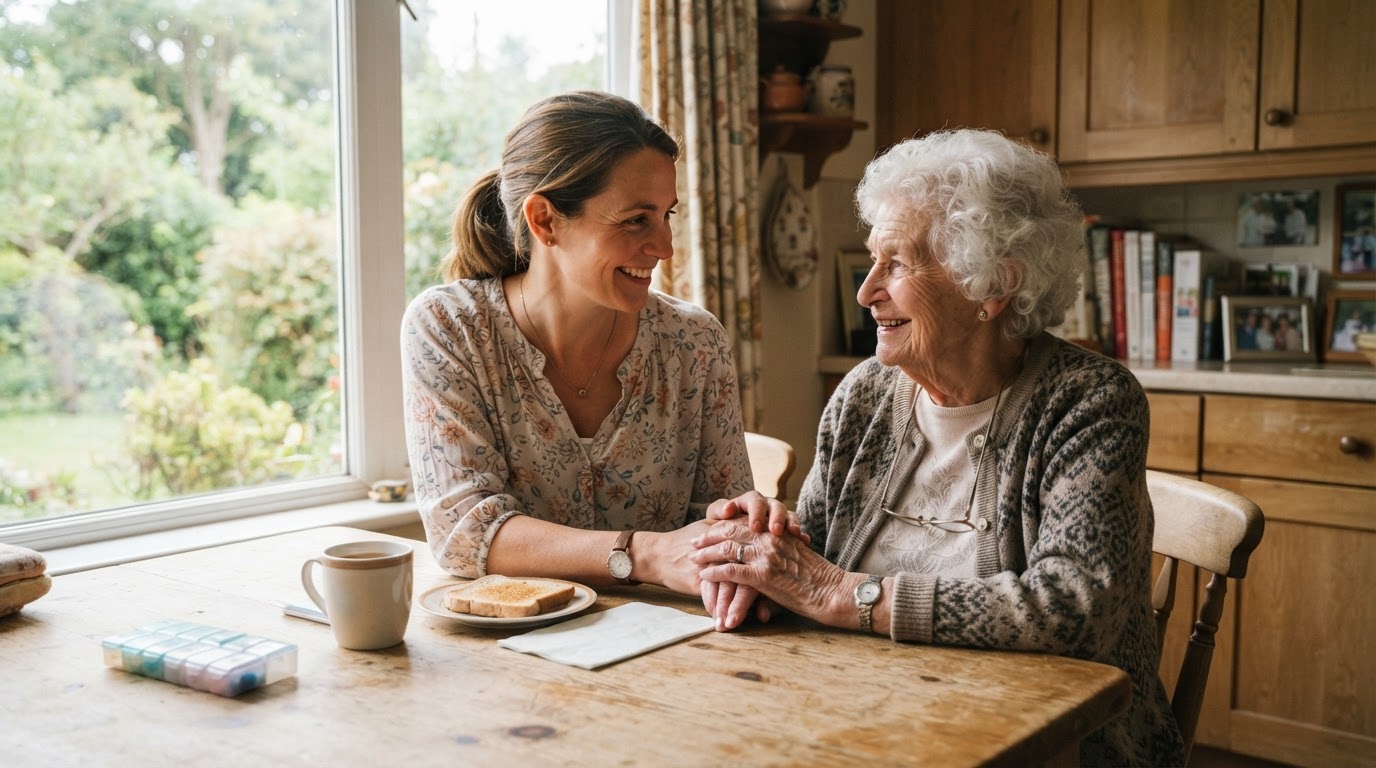
It usually starts the way it always does. You wake up with a scratchy throat and a slight ache, and your first thought is not about yourself. It is about who will make Mom's breakfast, whether Dad has taken his morning pills, and how you will manage the next twelve hours if you are coming down with something. Caregiver wellness during flu season is rarely on the list for families in Spartanburg, because the person receiving care always comes first. But here is the truth every experienced caregiver learns eventually: if you go down, the whole care plan goes down with you.
Why This Matters
Flu and related respiratory illnesses hit older adults hard. The Centers for Disease Control and Prevention (CDC) lists adults 65 and older among the groups at higher risk for serious flu complications, in part because immune defenses weaken with age. The CDC also notes that flu vaccination remains the single best way to reduce flu risk, and that good everyday habits like handwashing and staying home when sick meaningfully slow the spread.
None of this is meant to alarm you. Most people recover fully. The point is that flu season adds one more layer of pressure to a life that is already full, and the family caregiver is usually the one who absorbs that pressure. A little planning now can save you a lot of stress later.
The Habits That Actually Help
You do not need a complicated routine. A few small habits, done consistently, protect both you and the person you care for.
Talk with a doctor about vaccines
This is a conversation to have with your loved one's doctor and your own. The flu vaccine, and for older adults the pneumococcal and RSV vaccines where recommended, can lower the chance of serious illness. A doctor can explain what is right for each person based on their health history. Caregivers do not make medical decisions here. We ask, we listen, and we follow the doctor's guidance.
Build hand hygiene into the day
Wash with soap and water for about twenty seconds when you come home, before preparing food, and after coughing or sneezing. Keep a bottle of hand sanitizer near the door and another by the bedside. These sound basic, but a caregiver who has watched one cold move through a household knows how much a few seconds of handwashing can change the outcome.
Protect your sleep and your meals
When you are tired and underfed, your immune system has less to work with. Aim for regular meals, water within reach all day, and whatever sleep you can protect. If your loved one wakes through the night, even one or two nights of overnight respite a week can give you a stretch of real rest.
Keep a simple sick-day plan
Decide now what happens if you get sick. Who is the backup? What medications need to be given and when? Where are the doctor's numbers? Write it down on one page and keep it on the fridge. When you are running a fever at two in the afternoon, you will not want to be figuring this out from scratch.
Signs of Caregiver Burnout to Watch For
Flu season stretches into the long winter months, and that is exactly when burnout tends to creep in. It does not always look like exhaustion. Sometimes it looks like numbness.
- You feel detached from the person you are caring for, going through the motions without connection.
- Small setbacks, like a spilled glass or a missed appointment, set off a wave of frustration that feels out of proportion.
- You are getting sick more often, and colds linger longer than they used to.
- Your own health appointments, dental visits, and checkups keep getting postponed.
- You cannot remember the last time you did something only for yourself, even something as small as reading a book uninterrupted.
- Sleep is broken, or you lie awake running through tomorrow's tasks even when you are exhausted.
If several of these sound familiar, it is worth pausing. Burnout is not a personal failing. It is a sign that the load has grown past what one person can carry alone.
Beyond the Basics: What Families Often Miss
A few things tend to slip past families during flu season.
Ask the pharmacist about medication timing. Some medications should not be taken with certain cold remedies. A pharmacist can review your loved one's current prescriptions and tell you what over the counter is safe and what to avoid. This is a quick, free conversation that prevents real problems.
Do not skip your own checkups. Caregivers are famous for ignoring their own health. If you have been putting off a visit, flu season is a good reason to schedule it. You cannot pour from an empty cup, and your doctor can help you stay well enough to keep showing up.
Look into local support. The South Carolina Department on Aging connects families to Area Agencies on Aging and local resources that can ease the load. Senior centers in Spartanburg and the surrounding area also offer community and occasional programming that gives both you and your loved one a change of scene.
How Home Care Helps
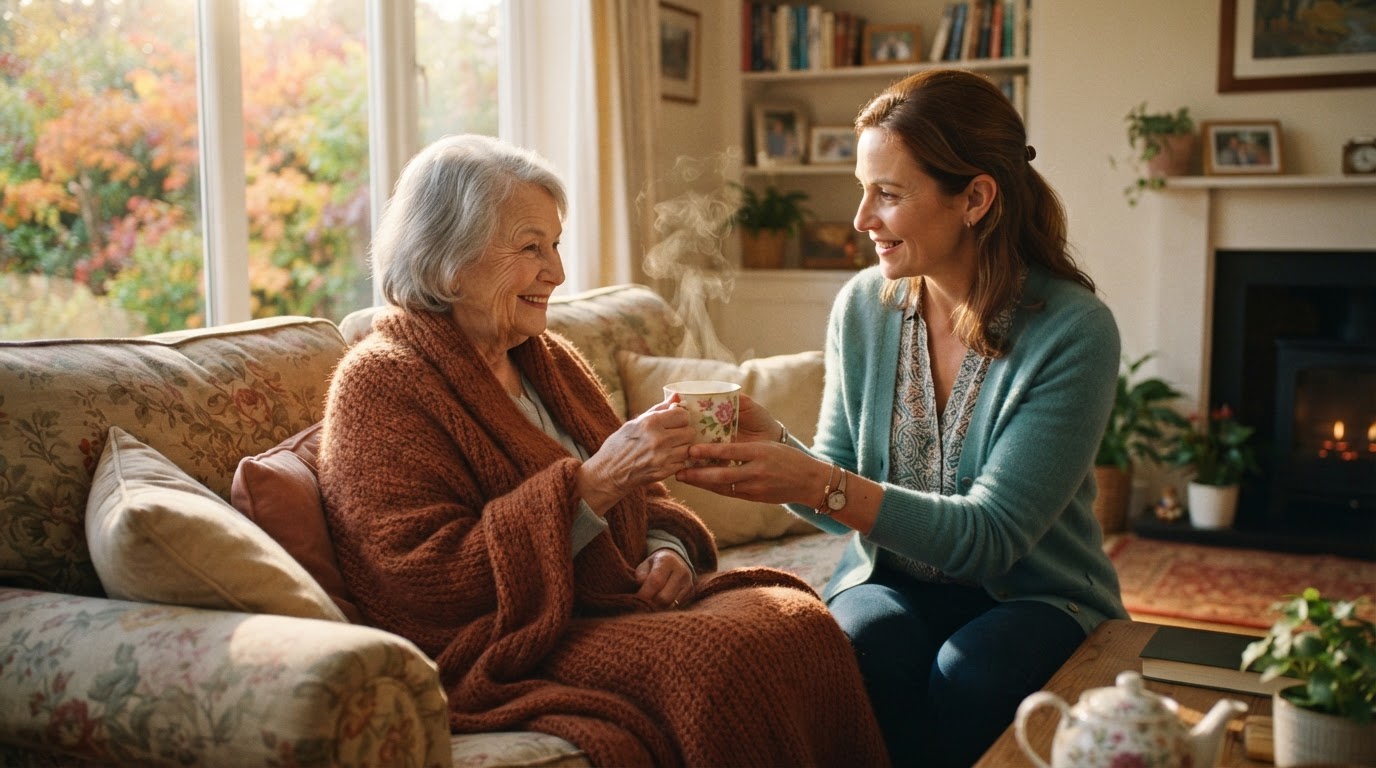
A consistent caregiver in the home is one of the most practical forms of caregiver wellness support there is. The value is not just the tasks. It is the relief of knowing someone reliable is there, which lets you actually rest instead of resting while half-listening for the next need.
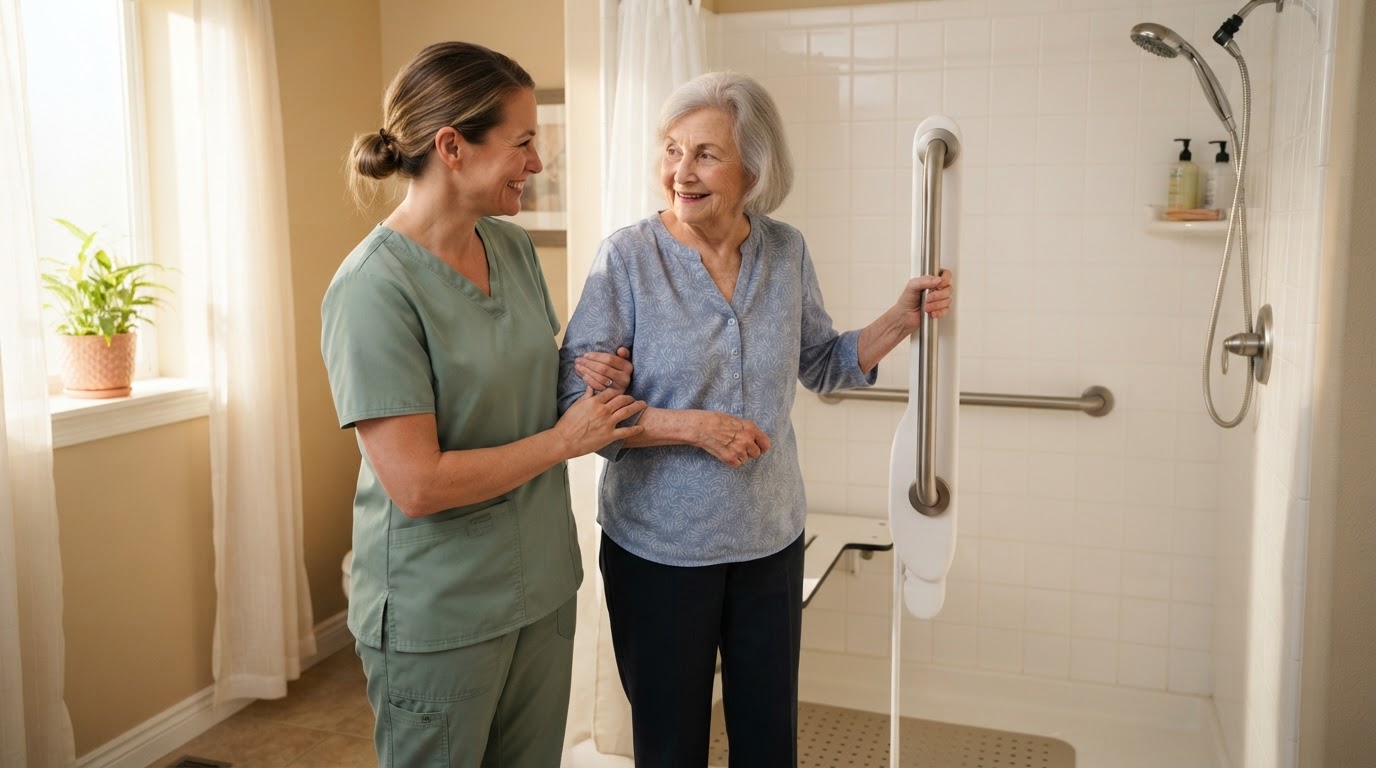
When you are sick, respite care becomes the backup plan you already wrote down. A caregiver can step in for a few hours, overnight, or for several days while you recover, following your loved one's established routine so nothing feels disrupted. You get to heal, and your loved one stays safe and comfortable in familiar hands.
Even when you are well, regular respite gives you a predictable break to protect against the slow drain of burnout. Our Respite Care service is built for exactly this, from a few hours a week to longer coverage while you travel or recover. And when you simply need a warm, attentive presence with your loved one so you can step out without worry, our Companionship & Sitter care provides steady supervision and genuine company.
The goal is not to replace you. It is to help you keep going.
Caring for Yourself in Spartanburg and Across Upstate SC
If you are caring for someone in Spartanburg, you do not have to do it alone, and you do not have to wait until you are sick or burned out to ask for help. We provide compassionate, non-medical home care throughout Spartanburg and the surrounding communities, including Boiling Springs, Greenville, Greer, Mauldin, and Taylors.
Every family's situation is different. A free discovery call is a low-pressure way to talk through what you are carrying and learn what support might look like. Book a free discovery call, or call us at (864) 707-8176. We are here to help you care for your loved one, and to help you care for yourself.
Wondering what support might look like for your parent?
A free discovery call is a low-pressure way to talk through what you're seeing. We serve Spartanburg and the surrounding Upstate SC communities.